

Educated Doses:

Empowering Youth to Make Informed, Healthy Choices
Substance Use Prevention: Skills, Strategies, and Self-Advocacy.

What Is Educated Doses?

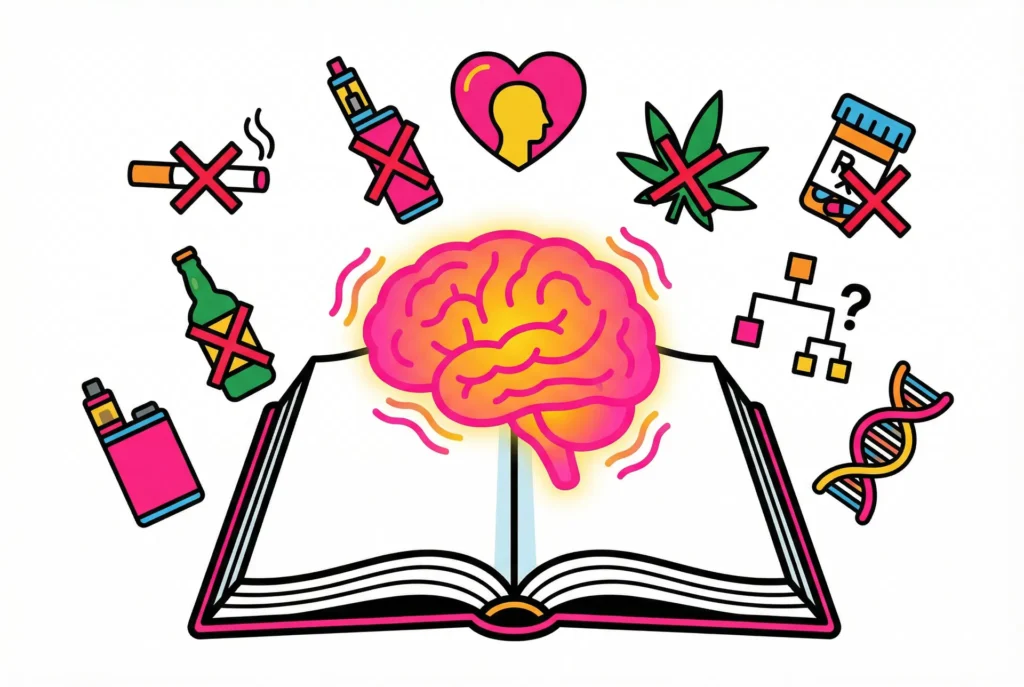
Educated Doses is a developmentally structured, evidence-informed substance use prevention program for students in grades 5–12, focused on reducing youth use of tobacco, vaping, alcohol, marijuana, opioids, and other substances.

“To empower youth with the knowledge, skills, and confidence to make informed, healthy decisions and prevent substance use through engaging, science-based education.”

Built for Everyone in the School Community

Educated Doses is a developmentally structured, evidence-informed substance use prevention program for students in grades 5–12, focused on reducing youth use of tobacco, vaping, alcohol, marijuana, opioids, and other substances.

Why Prevention Matters

The science is clear: early, evidence-based prevention education makes a measurable difference in the lives of young people.

Early Use = Higher Risk

Prevention helps delay or stop early substance use, which is strongly linked to addiction later in life.

Developing Brains Are Vulnerable

Youth brain development is highly sensitive to substances, especially during adolescence making early education critical.

Prevention Programs Work

Evidence shows prevention programs significantly reduce risky behaviors and improve long-term health and academic outcomes.

Builds Lifelong Skills

Early education strengthens decision-making, coping skills, and emotional resilience that benefit youth throughout their lives.
particles_8.png
particles_7.png

What We Teach

Our comprehensive curriculum covers eight core topic areas, each designed to be age-appropriate, engaging, and grounded in the latest prevention science.

Tobacco & Nicotine

Understanding the science of nicotine addiction, the dangers of smoking and smokeless tobacco, and strategies for refusal.

Vaping & E-Cigarettes

Debunking myths about vaping, understanding the chemical risks, and recognizing marketing tactics targeting youth.

Alcohol

Exploring how alcohol affects the developing brain, the risks of underage drinking, and healthy coping alternatives.

Marijuana & Cannabis

Science-based education on cannabis effects on the adolescent brain, mental health connections, and risk factors.

Opioids & Prescription Drugs

Understanding the opioid crisis, safe medication use, overdose recognition, and the path from prescription to addiction.
Brain Development & Addiction

Core neuroscience literacy: how the adolescent brain develops, why it's vulnerable, and how substances hijack the reward system.
Refusal Skills & Decision-Making

Practical skill-building for saying no, navigating peer pressure, and making confident, healthy choices in real situations. ▼
Mental Health & Emotional Wellness

Connecting substance use prevention with mental health awareness, stress management, and emotional regulation skills.
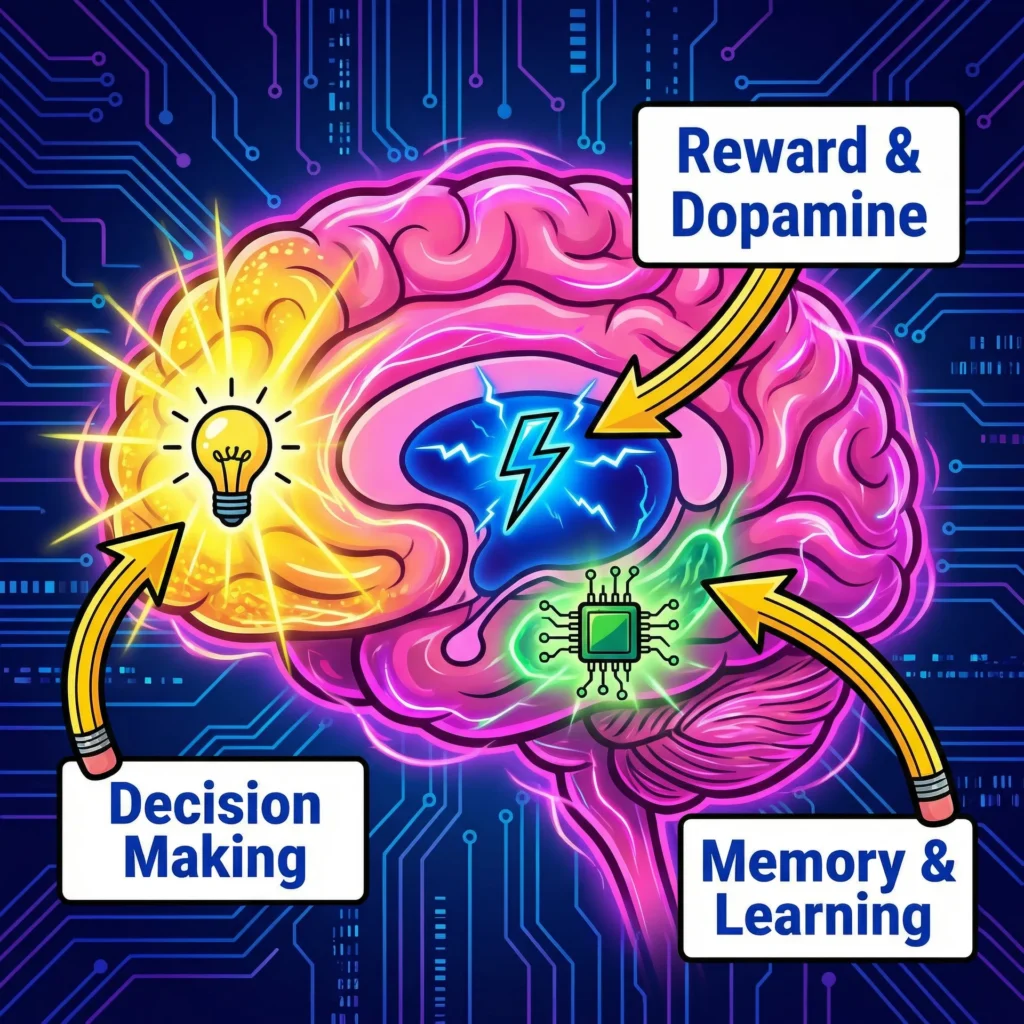
Your Brain on Substances

Explore the three key brain regions that substances affect most. Click each region to learn how drugs and alcohol impact your developing brain.

What It Does
The prefrontal cortex is the brain’s ‘CEO’ — responsible for planning, decision-making, impulse control, and understanding consequences. It’s the LAST part of the brain to fully develop (not complete until age 25!).
⚠️ How Substances Affect It

Substances like alcohol and marijuana directly impair the prefrontal cortex, making it harder to think clearly, control impulses, and make good decisions — especially dangerous when this region is still developing.

What It Does
The limbic system is the brain’s emotional and reward center. It releases dopamine — the ‘feel good’ chemical — in response to pleasurable activities like eating, exercise, and social connection.
⚠️ How Substances Affect It
Drugs flood the limbic system with dopamine — sometimes 2-10x the normal amount. Over time, the brain adjusts by producing less dopamine naturally, creating dependency and making everyday activities feel less rewarding.
What It Does
The hippocampus is the brain’s memory center, responsible for converting short-term memories into long-term ones and playing a key role in learning. It’s critical for academic success.
⚠️ How Substances Affect It
Marijuana and alcohol can significantly impair hippocampal function, disrupting memory formation and learning. Regular teen use has been linked to lasting memory deficits and lower academic performance.

Select a Brain Region

Click on one of the three brain regions on the left to discover how substances affect that area of your developing brain.

The Numbers Tell the Story

Youth substance use remains a serious public health challenge. These statistics underscore why evidence-based prevention education is essential.

Middle & High Schoolers
0 +

reported current tobacco/vaping use (2024, FDA)

12th Graders
0 %
reported using cannabis in the past year (2022, CDC)
Ages 12–20
0 %
used tobacco products or vaped nicotine in 2023 (SAMHSA)
Prevention Works
0 %
of students who participated in school-based prevention programs showed reduced use

Youth Substance Use by Type

Percentage of youth in treatment reporting use of each substance (SAMHSA, 2023)
Alcohol
49%
Marijuana
31%
Vaping
31%
Tobacco
31%
Opioids
31%

Evidence Shows Prevention Programs Work

Research consistently demonstrates that well-implemented school-based prevention programs significantly reduce substance use initiation, improve decision-making skills, and strengthen protective factors that support long-term health and academic success.
60 %
Reduction in substance use initiation
45 %
Improvement in refusal skills
38 %
Increase in mental health awareness

How Well Do You Know Your Brain?

Test your knowledge of brain science and substance use prevention. 6 questions — let’s see how you do!

Quiz

1 / 6

🧠 At what age is the human brain fully developed?

2 / 6

🧠 How much more dopamine can drugs release compared to natural rewards?

3 / 6

🧠 Which brain region is most responsible for decision-making and impulse control?

4 / 6

🧠 What does the hippocampus primarily control?

5 / 6

🧠 Starting substance use as a teen compared to as an adult:

6 / 6

🧠 Which substance is most commonly reported by youth in treatment programs?

Your score is

The average score is 33%

0%

Bring Educated Doses to Your School

Ready to empower your students with evidence-based prevention education? Reach out to learn how Educated Doses can work in your school or community.

Educated Doses Prevention Program

Evidence-informed · SAMHSA-aligned · Grades 5–12